




Is Drug addiction a chronic brain disease?
Is Drug addiction a chronic brain disease?
Mangalore Today News Network
By Dr. G. Shreekumar Menon
Mangaluru, Oct 11, 2026: It is only within the last 20 years that researchers began to realize that addiction is a brain disease, a medical condition with a neurobiological basis that causes lasting changes in the brain, changes that don’t go away so easily, sometimes for months or even years, despite recovering patients have stopped using substances.
Drugs are chemical substances that can change how the body and mind function. They include prescription medicines, over-the-counter medicines, alcohol, tobacco, and a vast variety of illegal narcotic and psychotropic substances. Repeated drug use can change the brain and lead to addiction. The brain changes from addiction can be lasting, so drug addiction is considered a "relapsing" disease. This means that people in recovery are at risk for taking drugs again, even after years of not taking them.
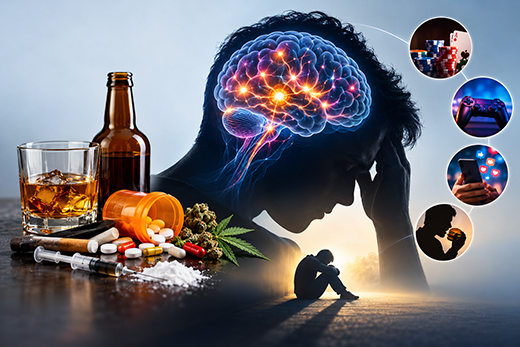
Not everyone who uses drugs becomes addicted. Everyone’s bodies and brains are different, so their reactions to drugs can also be different. Some people may become addicted quickly, or it may happen over time. Other people never become addicted. Whether or not someone becomes addicted depends on many factors. They include genetic, environmental, and developmental factors.
Repeated substance use or compulsive behaviours alter brain circuits involved in reward, motivation, learning, judgment, and memory. Changes in the brain make it extremely difficult for an individual to stop using a substance or engaging in a behaviour despite severe negative consequences. Like other chronic conditions such as diabetes or heart disease, addiction involves cycles of relapse and remission, meaning it requires ongoing management rather than a single cure.
Close to a quarter of a century ago, then director of the US National Institute on Drug Abuse (NIDA) Alan Leshner famously asserted that “addiction is a brain disease”.
Addiction is a chronic (lifelong) condition that involves compulsive seeking and taking of a substance or performing of an activity despite negative or harmful consequences.
There are two main groups of addiction:
Substance addictions (substance use disorders).
Non-substance addictions (behavioural addictions).
Addiction can significantly impact a person’s health, relationships and overall quality of life.
Substance addiction covers a range of products like Alcohol, Caffeine, Cannabis (marijuana), Hallucinogens, such as PCP and LSD, Hypnotics, sedatives and anxiolytics (anti-anxiety drugs), such as sleeping pills, benzodiazepines and barbiturates. Prescription and non-prescription opioids, such as codeine, oxycodone and heroin. Prescription and non-prescription stimulants, such as, cocaine and methamphetamine. Tobacco/nicotine, such as smoking cigarettes and electronic cigarettes (e-cigarettes or vaping). Included in this group are Inhalants, such as paint thinners, aerosol sprays, gases and nitrites (poppers).
While these substances are very different from each other, they all strongly activate the reward centre of the brain and produce feelings of pleasure. Use of these substances can lead to substance use disorders (SUDs). SUDs can be mild, moderate or severe. Addiction is the most severe form of a substance abuse disorder.
Behavioural addictions can occur with any activity that’s capable of stimulating the brain’s reward system. Examples of potentially addictive activities include gambling, eating, exercising and dieting, shopping, shoplifting, pornography, sex obsession, and video gaming.
Symptoms of addiction vary from person to person and based on the substance or activity. In general, signs include:
inability to stop: People may use a substance or engage in harmful addictive behaviour even if they want to stop. They may have tried multiple times to reduce the substance use or behaviour but can’t. They may also lie to their loved ones about it or try to hide it.
Increased tolerance: Over time, they may need more of the substance or activity to feel the same euphoric effects as they did before.
People with addictions become pathologically preoccupied with the substance or activity. They may feel that the addiction has taken over their lives, as they spend more and more time craving, obtaining and thinking of the subject of the addiction.
They may feel like they’ve lost complete control over their substance use or activity and often feel helpless. They may often feel guilty, depressed and/or overwhelmed by their addiction and how much it’s impacted their lives.
Addiction impacts all aspects of their lives, including their physical health, mental health, personal relationships and career. They may have issues fulfilling responsibilities at work, school or home due to substance use or the activity. Again, despite knowing the detrimental effects their addictions are having on them, they can’t stop.
Substances send massive surges of dopamine through the brain, such massive dopamine levels have damaging effects on a person’s thoughts, feelings and behaviour. Over time, the substances or activities change the brain chemistry, and over a period of time, more intake is needed to produce the same effect.
People with addiction may experience emotional and physical withdrawal symptoms when they stop using. Physical symptoms include shaking, sweating or vomiting. They may also become anxious or irritable.
For some substances, such as opioids, the withdrawal symptoms are so severe that they create significant motivation to continue using them.
Addiction can also cause problems with focus, memory, and learning, not to mention decision-making and judgement.
There are no quick fixes for any kind of addiction, which is why patients deserve sympathy and support even when they relapse. We don’t condemn a diabetic for having a sugary dessert or for forgetting to take their medicine; we don’t revile the person with hypertension who gains weight instead of losing it. Instead, we sympathize with and try to understand what caused them to slip up, and we encourage them to take their medicines regularly and stick to a health-enhancing diet and exercise plan.
Another key component to addiction treatment is the anti-craving medications designed to re-balance the brain’s biochemistry. These medications help correct imbalances in dopamine and other essential neurotransmitters, and accelerate healing of the physical damage in the brain.
Despite the overwhelming evidence that addiction is a medical condition, drug addiction continues to be criminalized. India must take a public health approach to drug addiction now, in the interest of both population well-being and health equity. Imprisonment, whether for drug or other offences, actually leads to much higher risk of drug overdose upon release. Imprisonment leads to isolation, an exacerbating factor for drug misuse, addiction, and relapse. People with substance use disorders need treatment, not punishment, and drug use disorders should be approached with a demand for high-quality care and with compassion for those affected.
 Dr. G. Shreekumar Menon, IRS (Rtd), Ph.D. (Narcotics)
Former Director General of National Academy of Customs Indirect Taxes and Narcotics & Multi-Disciplinary School Of Economic Intelligence India; Fellow, James Martin Centre For Non Proliferation Studies, USA; Fellow, Centre for International Trade & Security, University of Georgia, USA; Public Administration, Maxwell School of Public Administration, Syracuse University, U.S.A.; AOTS Scholar, Japan. He can be contacted at shreemenon48@gmail.com
 Write Comment
 E-Mail To a Friend
 Facebook
 Twitter
  Print
Print - Is Drug addiction a chronic brain disease?
- Engineering colleges should explore new horizons
- 1980s AI photo trend goes viral, cyber experts warn users against sharing original photos
- AI readiness in Universities in India
- Why narcotics are part of every terror payload?
- Bombay’s Parsi Opium Dons
- In-Land Group Celebrates 40 Years of Excellence with Grand Anniversary Event in Mangaluru
- Solving India’s Education Crisis
- Rejuvenating The Priestly Class In Sanatana Dharma
- Durandhar’s exploration of hallucinatory drugs
- Race towards a Drug Free Nation
- A Breathalyser for Drugs
- Budget 2026: High Stakes, Global Headwinds and Big Domestic Bets
- Kashmir Bhavan in Bengaluru: A must visit place
- "MAI and I" Book of Angelic Emotions
- Draupadi Murmu - The New ’President of India’
- Anthony Ashram in the city grows a classic museum
- First College of Fisheries in India - A Golden Jubilarian
- Flushing Meadows - A Vintage Mansion
- The Colonel’s Bequest
- A Mangalorean PM and his RBI Governor Brother: The Extraordinary story of the Benegal Brothers
- There is no higher religion than Truth: Theosophical Society
- L’affaire - Ashu & Yiju of Mangalore
- Mangalore in Kowloon
- 1568 to 2018 AD: 450 years of Christianity in Mangaluru
- Vice President elect Naidu moves on from nadir to zenith, the phenomenal journey
- Embracing the Outdoors: How Heated Jackets Are Revolutionizing Cold Weather Activities
- Efficient and Sustainable Packaging Solutions with FIBCs
- The Hybrid Kilt Revolution | Where Tradition Gets Trendy
- Affordable Elegance | Embrace Style on a Budget with Cheap Kilts
- Unleashing Style and Functionality | Exploring Tactical Kilts
- Mangalore’s Heroic Lady marks 105th Birthday
- Santa the Christmas spirit
- Geriatric care: Mangalore strikes a fine balance
- The Don Who Made Two Empires to Clash
- CHITRAPUR SARASWATS - A Great Kanara Community
- Our new President Ram Nath Kovind’s significant journey to Rashtrapathi Bhavan
- Marriages made in heaven, big fat weddings made in India
- Eid insight - The giver of glad tidings


- Local Search
- Classifieds
- CITY INFORMATION
- TRAVEL
- TOURIST INFORMATION
- HEALTH CARE
- MISCELLANEOUS

© 2024 All rights reserved. MangaloreToday