
Mahalaya Amavasya: Devotees throng Someshwara beach, Kadri Manjunatha Temple for ancestral rituals
Mangalore Today News Network
Mangaluru, Oct 10, 2026: Hundreds of devotees performed Pinda Pradana at Someshwara beach in Ullal taluk of Dakshina Kannada district on the occasion of Mahalaya Amavasya on Saturday, October 10. A large number of devotees also visited the historic Sri Manjunatha Temple at Kadri to offer prayers on the auspicious occasion.
Pinda Pradana is an important Hindu ritual performed during Pitru Paksha to pay homage to deceased ancestors. It is believed that the ritual brings peace to the souls of departed family members and helps them attain salvation.
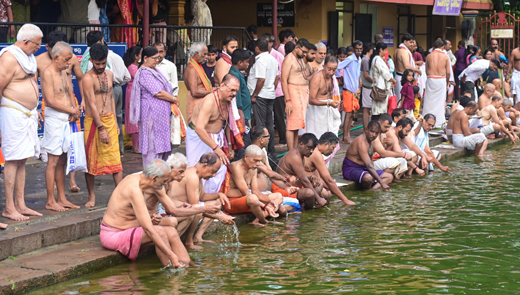
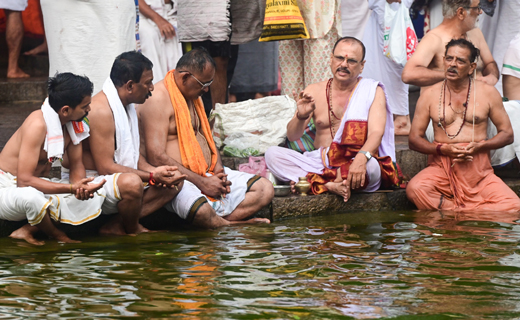
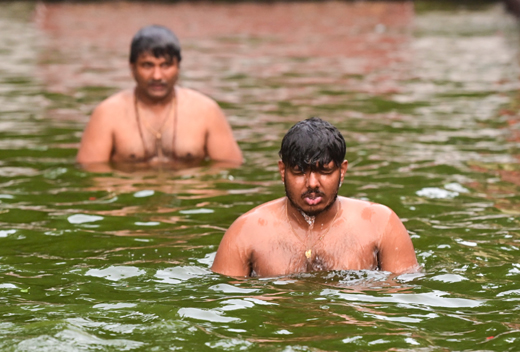
Someshwara, a coastal Shiva shrine, is among the important places in the district where special arrangements are made for devotees to perform ancestral rites on Mahalaya Amavasya.
Hundreds perform ancestral rites at Someshwara
Hundreds of devotees gathered along the beach near Someshwara temple to perform Pinda Pradana. The temple authorities made arrangements for priests to assist devotees, including provisions for engaging additional priests to meet the demand.
Devotees were allowed to perform the ritual individually as well as collectively, enabling families to observe the rites according to their traditions.
Devotees throng Kadri Sri Manjunatha Temple
Kadri Sri Manjunatha Temple in Mangaluru also witnessed a large gathering of devotees on Mahalaya Amavasya. Devotees visited the temple to offer prayers and seek blessings on the auspicious day.
The ritual of Pinda Pradana generally involves preparing rice balls, or pindas, using ingredients such as rice, sesame seeds and ghee, followed by offerings of water and pindas to ancestors. Hindus believe these offerings help bring peace to departed souls and prosperity to their families.
Mahalaya Amavasya: Udupi prepares for ancestral rites at coastal and sacred sites
Udupi: Religious centres and coastal locations across Udupi district witnessed preparations for Mahalaya Amavasya on Saturday, October 10, with devotees observing rituals to honour their departed ancestors.
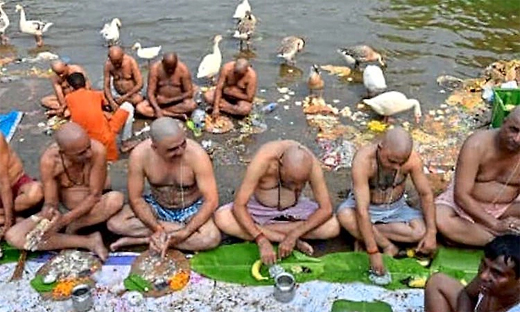
Mahalaya Amavasya marks the concluding day of Pitru Paksha, a period considered significant in Hindu tradition for performing ancestral rites. Devotees visit beaches, riverbanks and other sacred places to perform Pinda Pradana and Tarpana, praying for the peace and salvation of their ancestors.
A large number of devotees were expected to gather along the seashore near Sri Vadabhandeshwara Balarama Temple at Malpe Padukere. After taking a holy dip in the sea, they perform Pinda Pradana and Tila Tarpana, offering rice balls, sesame seeds and water to their ancestors. Performing these rituals at the location is considered auspicious.
Rituals at coastal shrines and beaches
Pinda Pradana was also scheduled to be performed at coastal locations including Surathkal, Panambur, Ullal, Kaup, Katapady, Hejamady, Padubidri and Uchila.
In addition to the rituals at religious centres, some families observe the occasion at home by offering prayers before photographs of deceased family members and preparing traditional coastal dishes that were favoured by them.
Following Shraddha rituals, some families offer food to crows and cows as part of their customary observances. Annadana and donations of clothes to Brahmins and needy people are also organised in certain places.
Security arrangements at beaches
With large crowds expected at coastal locations, lifeguards and police personnel were to be deployed at Malpe and Kaup beaches to ensure the safety of devotees.
Religious organisations and the management committees of temples and maths made arrangements to facilitate the smooth conduct of the rituals and help devotees observe Mahalaya Amavasya without inconvenience.