
All toll plazas in India to go fully cashless from April 1
Mangalore Today News Network
New Delhi, Jan 19, 2026: In a major step to streamline toll collection and reduce traffic congestion, the Union Ministry of Road Transport and Highways has announced that, starting April 1, all toll plazas across India will allow cashless payments only. This marks the end of cash transactions at toll booths on national highways and other major roads.
FASTag-based toll payments have been in use for several years and have undergone multiple upgrades. Despite FASTag being mandatory, many vehicles still pay tolls in cash, often incurring double charges as a penalty. Under the new rule, this option will no longer be available.
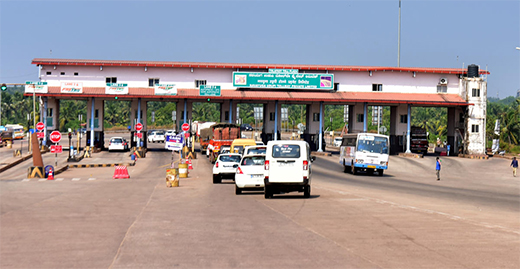
From April 1 onwards, cash payments at toll plazas will be completely discontinued. Motorists must pay tolls using FASTag. In cases where FASTag is missing or non-functional, payments can be made via UPI-based digital platforms, but cash will not be accepted under any circumstances.
Officials said the move aims to reduce long queues at toll booths, save commuters’ time, and improve transparency and efficiency. Cash transactions often caused traffic bottlenecks and delays, inconveniencing drivers and prompting frequent complaints.
Vehicle owners have been advised to check their FASTag status before traveling. They should ensure their FASTag is active, KYC requirements are completed, and sufficient balance is available. Recharges can be done through UPI apps such as PhonePe, Google Pay, and other digital platforms, helping travelers avoid last-minute issues, especially in emergencies.
Authorities noted that cash payments were a major contributor to toll plaza congestion. Based on complaints and field reports, the ministry decided to enforce complete cashless entry to improve traffic flow and operational efficiency.
The push for digital payments also aims to enhance traceability and transparency. Digital records make it easier to track payments and vehicle movement. Officials highlighted that vehicles sought by law enforcement sometimes avoided detection by paying in cash instead of using FASTag.
The nationwide rollout of cashless tolling is expected to improve traffic movement, strengthen digital infrastructure, and increase accountability in highway operations.