
Aati Amavasya: The significance of Tulu Nadu’s folk medicine ‘Paleda Kashaya’ and ‘Methe Ganji’
Mangalore Today News Network
Mangaluru, Aug 12, 2026: Aati Amavasya is a unique day in Tulu Nadu that brings together the region’s rich cultural traditions, ancestral beliefs and traditional health practices. Observed during the Aashada month, the day is marked by rituals passed down through generations, with the consumption of Paleda Kashaya (medicinal decoction made from the bark of the Paale tree) being one of the most significant practices.
While the Aati month is traditionally associated with hardship and difficult times, Aati Amavasya holds a special place in the hearts of people across coastal Karnataka. Early morning baths, fasting, special prayers and, most importantly, the consumption of Paleda Kashaya are among the customary practices followed on the day.
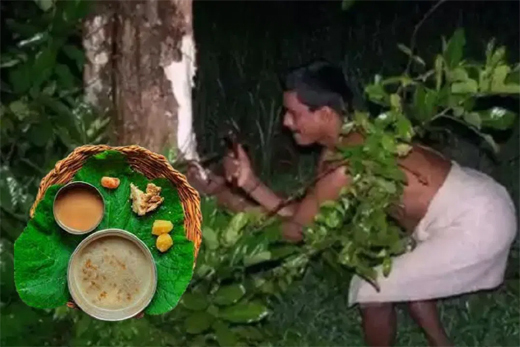
Aati Amavasya is not merely a religious or cultural observance. In Tulu Nadu, several traditional practices are believed to reflect the wisdom of earlier generations on living in harmony with nature and maintaining health during the monsoon.
The region’s lush surroundings, persistent rains and humid conditions give Aati its distinctive character. Against this backdrop, Aati Amavasya is regarded as a day that connects nature, health and traditional knowledge. Although bitter in taste, Paleda Kashaya is traditionally considered a health-promoting drink.
Aati Amavasya is being observed traditionally today (Wednesday, August 12) across Tulu Nadu, including Dakshina Kannada, Udupi and Kasaragod. Families continue to follow age-old customs under the guidance of elders. The Amavasya of the Aashada month is known as Aati Amavasya in Tulu Nadu, while the same day is observed as Aashada Amavasya or Bhima Amavasya in several other parts of Karnataka.
The significance of Paleda Kashaya
A major ritual associated with Aati Amavasya is drinking Paleda Kashaya. In many coastal households, the decoction prepared from the bark of the Paale tree is traditionally consumed on an empty stomach early in the morning.
According to traditional belief, the Paale tree is believed to possess the medicinal properties of 108 herbs on Aati Amavasya, giving the decoction a special significance in the region’s folk traditions.
Traditionally, the bark is collected during the early hours of the morning. It is thoroughly washed, the outer layer is removed and the bark is crushed on a stone to extract its juice. Black pepper, garlic and ajwain (carom seeds) are then added before the mixture is boiled.
The prepared decoction is traditionally consumed early in the morning on an empty stomach. Because of its bitter taste, some families also follow the practice of eating a small piece of jaggery afterwards. In several households, menthe ganji (fenugreek porridge) is also consumed, based on the traditional belief that it helps provide a soothing effect after the bitter decoction.
According to elders, the decoction was traditionally consumed during the monsoon as part of efforts to protect the body from seasonal health problems. There is also a belief that it helps strengthen the body’s immunity.
However, despite its traditional significance, caution is necessary when consuming herbal preparations. The correct identification of the plant, preparation method and appropriate quantity are important. People with existing health concerns should seek expert medical advice before consuming such preparations.
With its combination of tradition, nature and ancestral health practices, Aati Amavasya continues to remain an important part of Tulu Nadu’s cultural heritage. The bitter taste of Paleda Kashaya carries with it generations of belief and traditional knowledge, keeping this distinctive coastal custom alive in households across the region.